
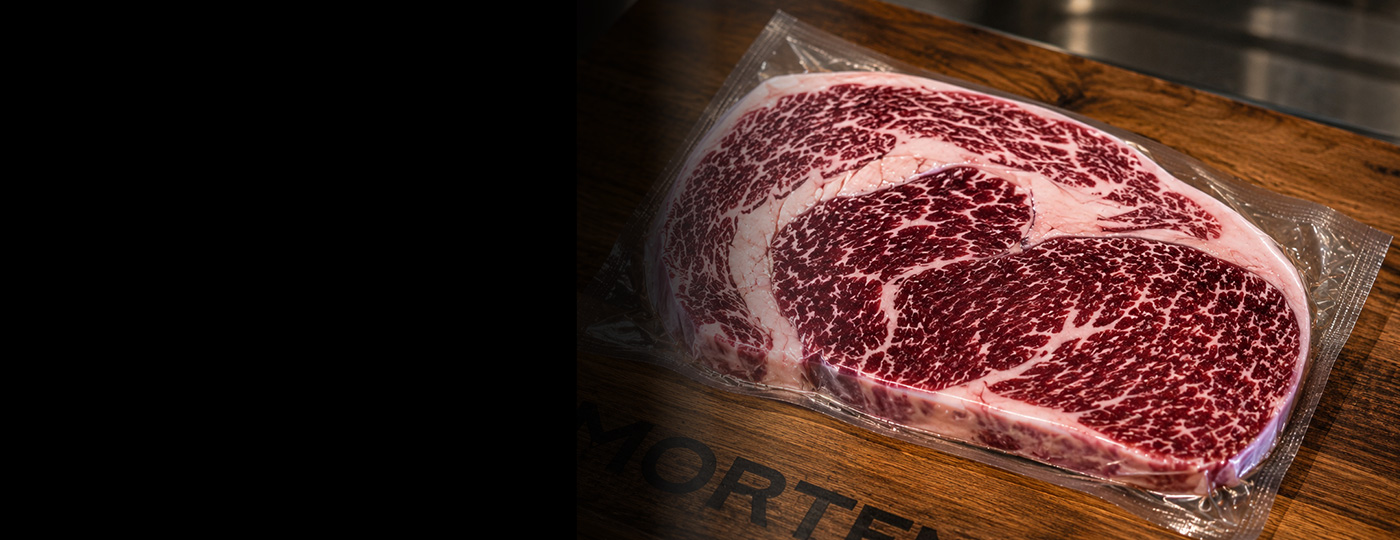
Why We Vacuum Package Our Meat

Good things sometimes come in unusual packages. At J. Morten’s, we vacuum package our meats because it helps protect freshness, quality, and flavor from the time it leaves our shop until you are ready to cook it at home.

Traditionally, vacuum-sealed packaging has been used to keep cured meats like bacon and hot dogs fresh. Using this type of packaging for fresh meat is still catching on in the United States, although it has been widely used in Europe for some time. We use vacuum packaging because of the many benefits it brings to both our shop and our customers.

Better Protection Against Oxygen

All meat packaging and refrigeration is designed to protect against exposure to oxygen and heat, which can encourage the bacteria that cause spoilage. Keeping meat chilled and wrapping it in plastic film only addresses part of the problem, because traditional plastic wraps still allow oxygen to permeate the package.

Vacuum-sealed packaging does a better job of keeping meat fresh because it removes most of the oxygen, which slows the growth of bacteria and helps protect the meat longer.

Why We Do Not Want Meat Exposed to Air

Just imagine a piece of meat that you store in your refrigerator at home. Do you store your food in plastic wrap, foil, or a container? Of course you do. You would never buy an expensive steak, take it home, unwrap it, and leave it sitting out for hours or days.

There is nothing “fresh” about meat exposed to oxygen and other products in the refrigerator. Vacuum packaging helps protect the meat until you are ready to open it, season it, and cook it.

More Flexibility at Home

One of the biggest benefits of vacuum-sealed packaging is that it gives you more freedom to cook your meat according to your own timetable.

Because oxygen is removed, the shelf life of vacuum-sealed red meat can increase from a matter of days to up to four weeks, depending on the cut and storage conditions. That extended shelf life means you are less likely to throw anything away due to spoilage.

Even ground beef, which typically needs to be used within a day or two of purchase, can last longer in vacuum packaging.

Cleaner Storage and Less Cross-Contamination

Another benefit of vacuum packaging is that it helps reduce the chance of cross-contamination and unwanted smells or flavors from other items in our refrigerators, and yours at home as well.

At J. Morten’s, we have a state-approved HACCP plan that minimizes the risk for cross-contamination. Vacuum packaging is one more way we help protect the quality of the product.

Less Waste for You and for Us

Just like you do not want to throw away product at home, J. Morten’s does not want to throw away product at the store. Meat that has to be discarded represents a significant loss of time, care, and energy.

The longer shelf life means you do not have to freeze your meats right away to keep them from going bad. That said, freezing is still a great option when you want to stock up.

Vacuum-sealed packaging is excellent for the freezer because the lack of oxygen on the surface of the meat helps prevent freezer burn and eliminates the need for freezer bags or other additional preparation.

No Messy, Drippy Meat Juice

Another advantage of vacuum-sealed packaging is the lack of messy, drippy meat juice that is often associated with conventional packaging.

All liquids are sealed in place, so there is no need to wrap your meat in additional plastic bags. This helps minimize the potential for cross-contamination with other foods, and it also keeps more plastic bags out of the waste stream.

Why Vacuum-Packaged Meat Can Look Darker

Meat packaged in vacuum packaging does not always have the same bright red color that it has when packaged conventionally. That bright red color is caused by exposure to oxygen.

In other words, a juicy chop wrapped in traditional plastic film is already being exposed to oxygen. The darker hue of vacuum-sealed meat is visual proof that the product is being protected from oxygen.

Once the package is opened and the meat is exposed to air, it will redden to its usual color. We think you will find that the small cosmetic change in color is unimportant compared to the benefits in freshness and quality.

No Gas-Flushed Packaging

It is important to note that we avoid techniques used by some supermarkets to inject gas into meat packaging to create a bright red color.

The idea behind that practice is that customers may refuse to buy meat that is not bright red. This has led to the use of packaging methods that can include carbon dioxide, nitrogen, and carbon monoxide to alter the color of packaged meat.

Most retailers using the gas method do not put this information on their labels. We believe this constitutes an unnatural and unnecessary additive, and in some cases, it can actually diminish the quality of the meat.

No gas of any type is used in our packaging methods.

Ready for Sous Vide Cooking

Lastly, if you are into sous-vide cooking and have an immersion circulator at home, many of our USDA Prime dry-aged steaks and chops are ready to go right from the store.

Vacuum packaging makes it easier to store, freeze, and cook high-quality meat on your own schedule.

Have Questions About a Cut or How to Store It?

Ask us when you stop in. We are happy to help you understand how each cut is packaged, how long to keep it refrigerated, when to freeze it, and how to get the best results at home.

Visit J. Morten’s